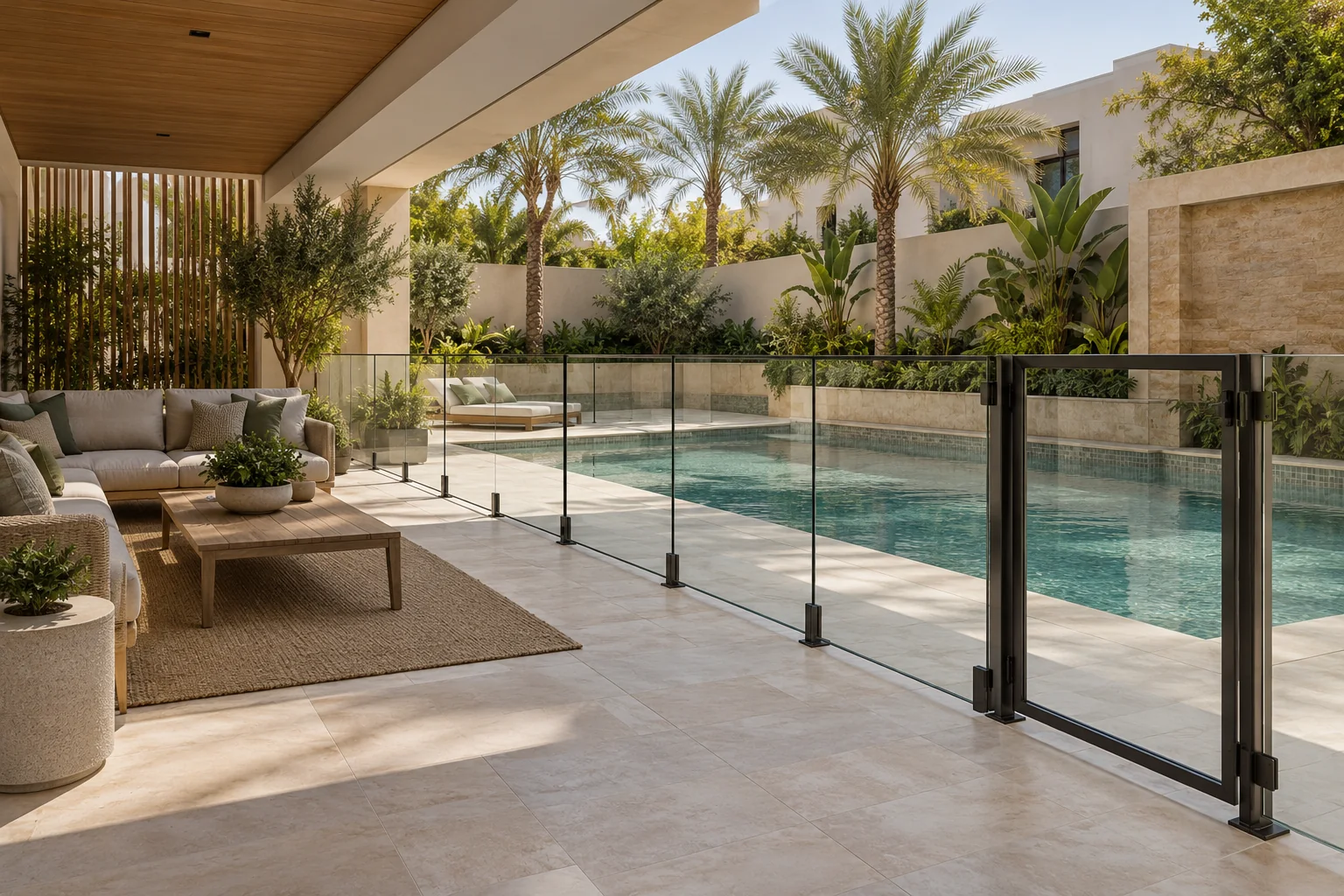
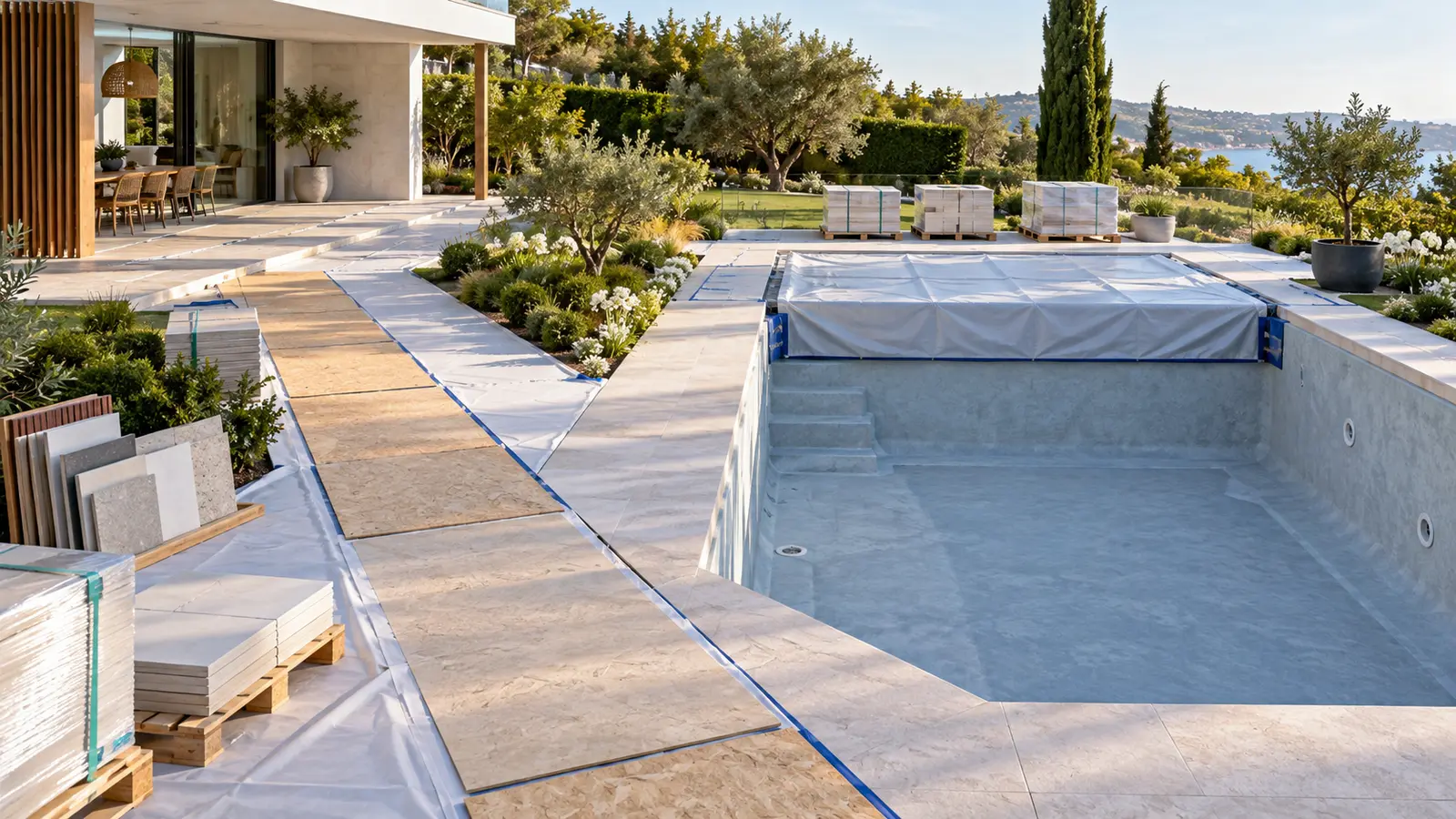
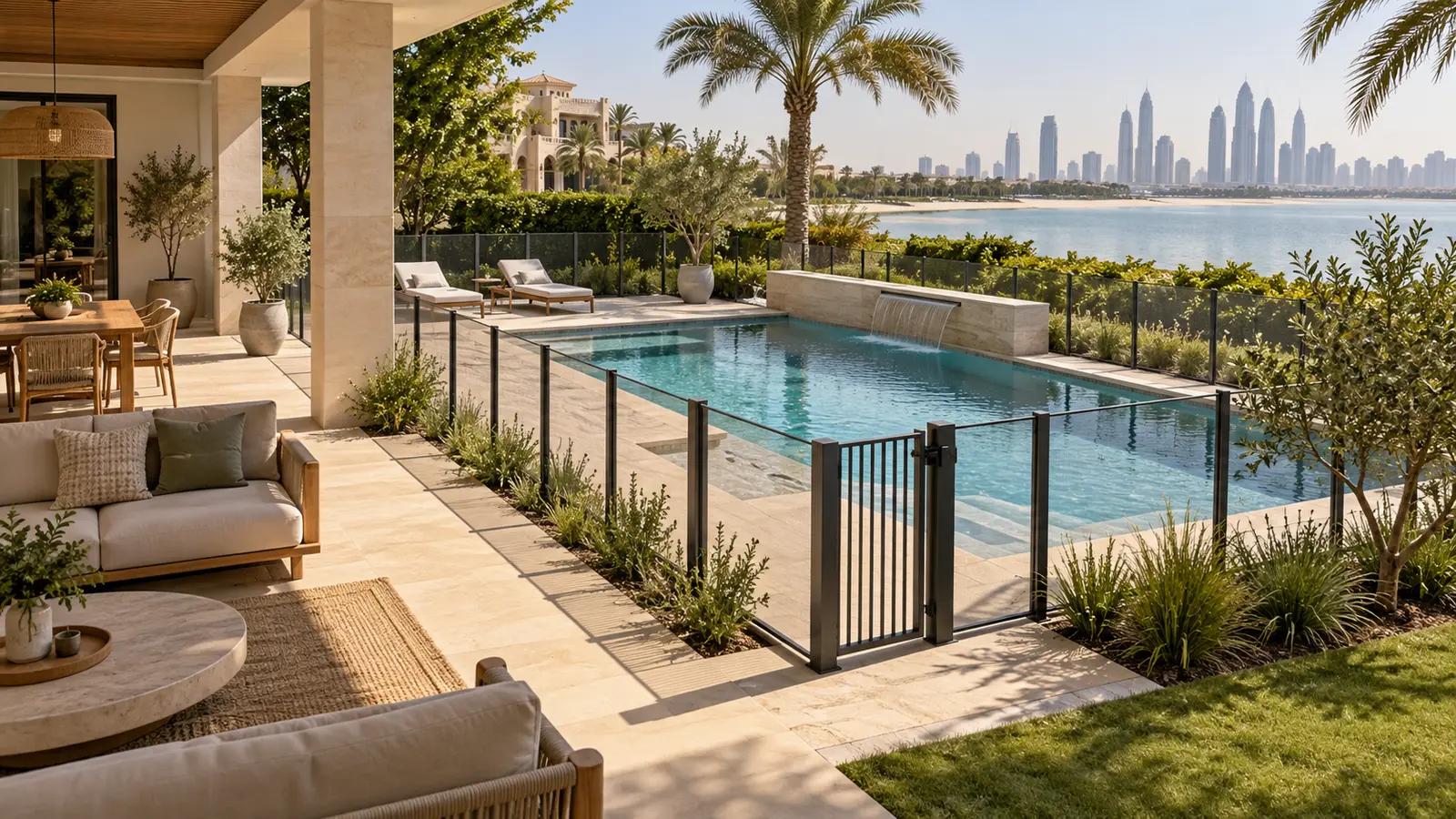
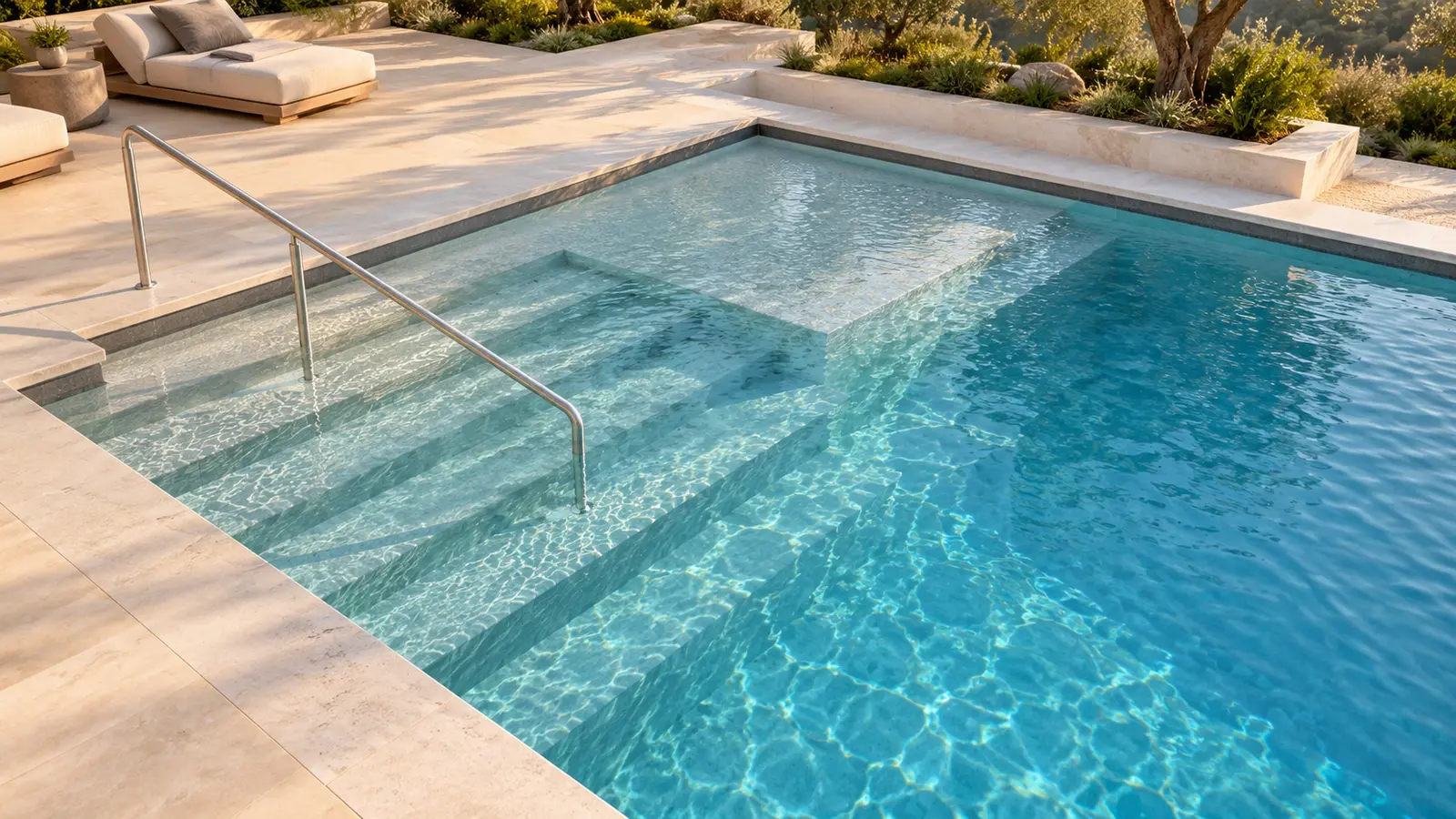
Assess the existing pool before defining the repair or renewal scope. Finishes, waterproofing and equipment should be considered against the actual condition and testing requirements.
Pool design & construction concept · Visual direction
THE SCOPE
Define it clearly. Deliver it thoughtfully.
Assess the existing pool before defining the repair or renewal scope. Finishes, waterproofing and equipment should be considered against the actual condition and testing requirements. Your proposal identifies the agreed work packages, material choices and responsibilities for your specific property.
01
Condition and history review
02
Repair and finish scope
03
Equipment assessment
04
Recommissioning
BEFORE DESIGN IS FINALISED
The right questions at the right time.
What symptoms have been observed?
Which systems can be retained?
What investigation is needed before pricing?
We work through these decisions using the existing property information, site conditions and your priorities. Any specialist review or approval responsibility is identified in the project proposal.
BUDGET & PROGRAMME
Start with the scope.
A useful price follows measured quantities and an agreed specification. For pool renovation, the scope and installation interfaces matter as much as the visible finish.
The programme separates design, external reviews, procurement and site work. It also records the decisions needed from you before orders or installation can proceed.
A pool renovation should begin with its current condition and operating history. Record leaks, recurring finish problems, equipment issues and access constraints for specialist investigation. A new surface does not by itself resolve underlying defects. Separate the assessment, repair, finish and equipment scopes so the quotation explains what is known and what still needs investigation.
Keep the agreed choices with the current drawings and specification. Identify who designs, supplies and installs each element, and how the work connects to neighbouring packages.
The proposal should also record any remaining investigations, product information and handover requirements. Resolve changes in writing so their effect on the scope and programme can be reviewed.
An owner wants a new appearance while reporting an existing operating concern. Have the appropriate specialists investigate the actual condition before assuming a finish renewal will resolve it. Separate confirmed remedial work, retained equipment and decorative changes. Compare options with clear limits and evidence, so the selected scope addresses both the desired result and the findings that affect how the pool can be renewed.
A SCOPE YOU CAN REVIEW
What to resolve in the proposal
Request the condition review, defined investigations and a schedule of retained and replaced components. Identify the responsible technical specialists and relevant approval requirements. Include the specified testing, commissioning, demonstrations and final records. Keep unresolved conditions and actual warranty responsibilities explicit rather than implying that renewed surfaces make the entire existing system new.
Compare repair, finish renewal and equipment work separately
Ask for a proposal that distinguishes investigation, confirmed repair, appearance changes and equipment replacement. Compare those categories between quotations before looking at the total. One proposal may include an assessment or recommissioning activity that another leaves to the owner. A clear comparison explains the evidence behind the work rather than assuming a more extensive package is automatically necessary.
Record the symptoms you have observed, when they occur and what previous work was carried out. Share available product and maintenance records with the appointed specialist. Describe observations without diagnosing the cause yourself. Pool structure, water systems and electrical equipment require competent assessment; this planning process helps define questions and responsibilities, not a method for carrying out repairs.
Decide what can be retained on evidence
Create a schedule of the components proposed for retention and the basis for each decision. Ask whether their condition, compatibility and future service access have been reviewed within the appointment. Keep any limitations visible. A component that still operates may require a different decision from one whose condition is unknown, and a new visible finish does not resolve that uncertainty.
Compare proposed finish options through samples and the selected supplier's information for the intended location. Include the surrounding coping, steps and adjoining surfaces in the discussion. Ask the responsible professionals to coordinate the complete system and its interfaces. If an item changes after selection, review the consequences for the related specification instead of substituting on colour alone.
Agree the route back into use before work begins
Ask the appointed specialists to define the required checks, commissioning records, operating demonstration and conditions for returning the pool to use. Identify who provides the final advice and who receives any unresolved concerns. The owner should not have to infer readiness from the appearance of the water or the completion of decorative work.
Keep final equipment references and product-specific operating and care guidance with the handover record. Separate warranties for new work from retained components, and confirm the actual parties responsible for support. Record the agreed maintenance arrangement and any follow-up review. A renovation should leave an understandable record of what changed, what was checked and what remains part of the existing installation.
CONNECTED SCOPE
Plan the neighbouring decisions.
These related services often meet this scope at shared drawings, finishes, services or handover points.