Start with the right questions
A pool renovation should follow the condition of the existing system. Replacing the visible finish alone may leave the cause of a problem unresolved.
- Record the reported symptoms and repair history.
- Review finishes, joints and accessible equipment.
- Identify which inspections or tests are needed before pricing.
Separate findings from assumptions
A survey can reveal different work packages: surface renewal, equipment replacement, waterproofing or more substantial repairs. Ask for the evidence behind the recommendation and a clear boundary between confirmed work and items awaiting investigation. The proposal should include recommissioning and the information needed for ongoing care.
What to ask for
Before agreeing the next stage, request the following information in a form you can review with your project team.
- A condition record and scope recommendation
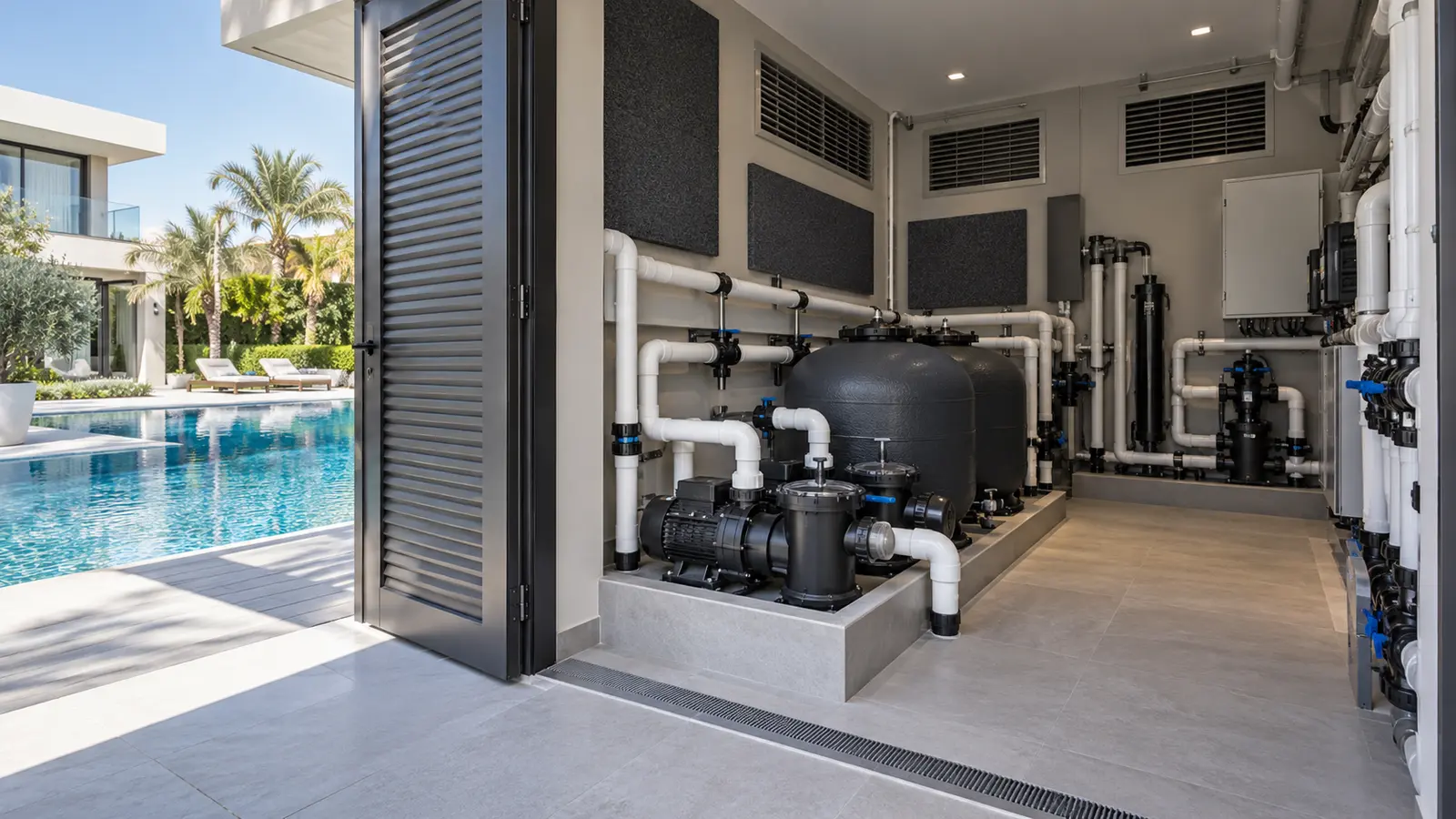
- A schedule of retained and replaced equipment
- A testing, commissioning and handover plan
Start with a clear history of the concern
Record when the issue was first noticed, how it changes and any previous repairs. Include photographs, available operating records and installed equipment references without attempting an unsupported diagnosis. A report of water loss, staining or unreliable equipment describes a symptom, not necessarily its cause. Give the appointed specialist enough history to propose an appropriate investigation, then ask what information the survey can and cannot establish before pricing a solution.
Distinguish visible inspection from further testing
An accessible condition review may identify some issues while leaving others unresolved. Ask the specialist to explain the purpose, limits and responsibility for any additional tests or opening-up work. Keep those stages within a properly agreed appointment. Do not assume a clean-looking surface proves the concealed system is sound, or that a visible defect requires complete replacement. The scope should follow evidence and competent assessment of the actual pool.
Planning example: a finish renewal with an unresolved symptom
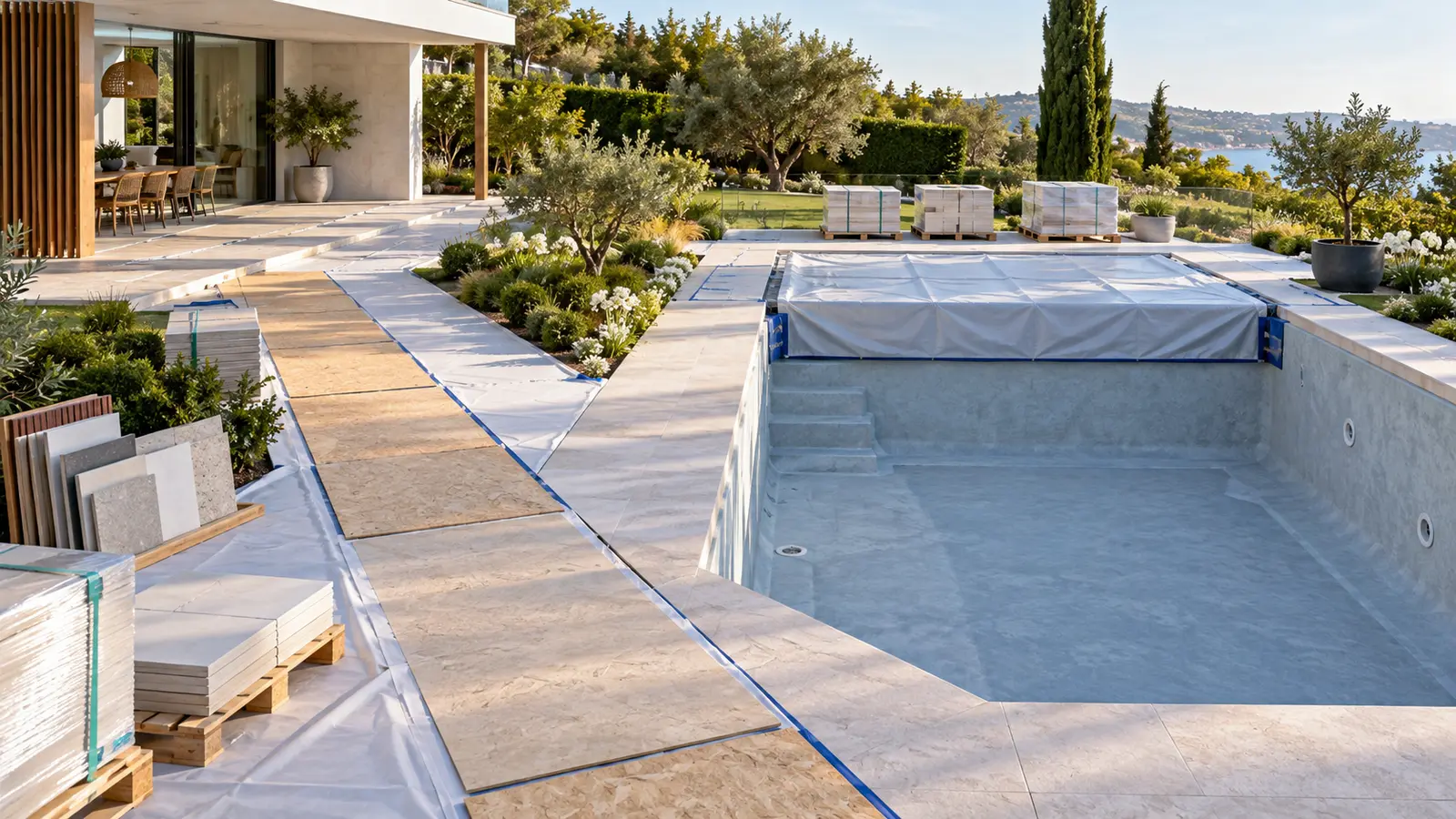
Imagine an owner wants new tiles while also reporting an unexplained operating concern. Pricing only the visible renewal could leave the original issue unresolved. Compare a decorative refresh with the investigation and remedial work the specialist recommends, keeping confirmed findings separate from assumptions. The example does not diagnose a particular failure. It shows why the desired appearance and the reported condition should enter the same scope discussion before work is authorised.
Review retained and replaced equipment together
A renovation may keep some components and replace others. Ask the responsible specialists to assess compatibility, access and the testing needed for the final arrangement. Record model references and the condition basis for retention. A new visible finish does not make every existing component new, and the handover should make that distinction clear. Keep technical choices within the relevant professional scope rather than assuming a newer item is automatically an appropriate replacement.
Define completion beyond the surface finish
Agree the relevant inspections, commissioning, demonstrations and documentation for the work undertaken. Ask how unresolved findings or later changes will be reviewed and authorised. At handover, compare the delivered scope with the agreed record and identify the responsible support contacts. Retain the survey and final information together so future maintenance discussions can distinguish the original condition, the work carried out and the components that remain unchanged.
Bring the brief to a specialist
Share your location, current photographs, approximate dimensions and priorities. A scoped review can then identify the information needed for a useful proposal. Product choices, project dates and final prices should follow the actual property and agreed specification.
Make this useful for your project.
A review of your property and priorities can turn general guidance into a defined brief.
Explore cost guidanceDiscuss your project